
Tin tức
Ý nghĩa các con số trên bảng tỷ lệ kèo bóng đá
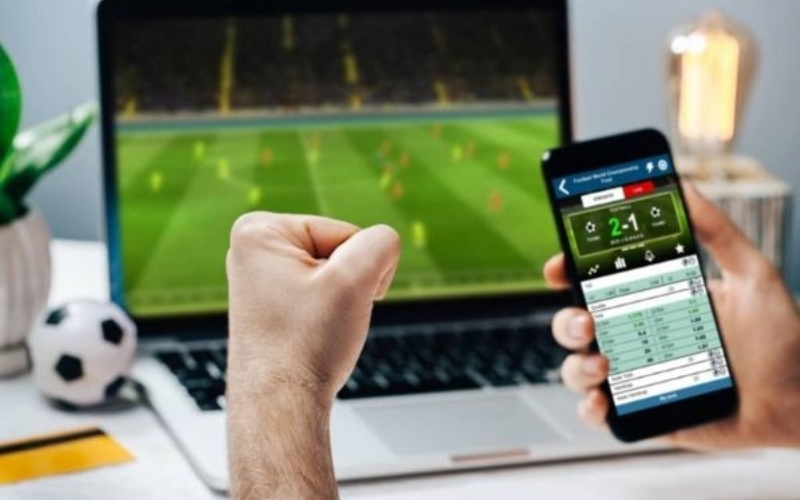
Th3
Khi tham gia cá cược tại các cổng game bài uy tín, việc hiểu rõ ý nghĩa các con số trên bảng tỷ lệ kèo bóng đá là bước đệm quan trọng nhất để soi kèo thành công. Bảng kèo nhà cái không chỉ là những con số vô tri mà là sự kết hợp của dữ liệu thống kê, thuật toán và xác suất từ các chuyên gia. Bài viết này sẽ giúp bạn giải mã chi tiết các ký hiệu Odds, Handicap hay tài xỉu một cách chuẩn xác nhất.
Hiểu cấu trúc và các ký hiệu cơ bản trên bảng kèo nhà cái
Bảng tỷ lệ kèo là nơi niêm yết các thị trường cá cược cho các trận đấu thuộc FIFA, Premier League hay Cúp C1. Để không bị bối rối, bạn cần nắm vững trình tự sắp xếp thông tin sau:
- Cột thời gian: Hiển thị giờ thi đấu và trạng thái trận đấu (trực tiếp – kèo rung hoặc sắp diễn ra).
- Cột đội bóng: Đội chủ nhà thường nằm trên, đội khách nằm dưới. Đội chữ màu đỏ là đội cửa trên (đội chấp), đội chữ màu đen là đội cửa dưới (đội được chấp).
- Tỷ lệ Odds: Các con số thập phân (như 0.95, -0.98) đại diện cho tỷ suất lợi nhuận và số tiền bạn nhận được khi thắng cược.
- Hàng ngang: Thường chia làm 2 phần là Kèo cả trận (Fulltime) và Kèo hiệp 1 (First Half).
Dưới đây là bảng tổng hợp nhanh các con số chấp phổ biến nhất hiện nay:
| Ký hiệu con số | Tên gọi phổ biến | Tình huống thắng cược |
|---|---|---|
| 0 | Kèo đồng banh | Đội bạn chọn thắng trận |
| 0 – 0.5 (0.25) | Chấp đồng banh nửa trái | Đội cửa trên thắng cách biệt 1 bàn |
| 0.5 | Chấp nửa trái | Đội cửa trên thắng từ 1 bàn trở lên |
| 0.5 – 1 (0.75) | Chấp nửa một | Đội cửa trên thắng cách biệt 2 bàn trở lên |
| 1.0 | Chấp 1 trái hòa | Đội cửa trên thắng cách biệt từ 2 bàn |
Giải mã chi tiết ý nghĩa các con số trong kèo Châu Á Handicap
Kèo Handicap (Kèo Châu Á) là loại kèo phức tạp nhất nhưng cũng hấp dẫn nhất vì nó phản ánh sự chênh lệch trình độ giữa hai đội bóng dựa trên các con số chấp.
Ý nghĩa các con số chấp phổ biến như 0.25 và 0.75 trái
Trong hệ thống kèo châu Á, các con số lẻ như 0.25 (1/4) và 0.75 (3/4) đóng vai trò chia nửa tiền cược để giảm thiểu rủi ro cho người chơi hoặc nhà cái:
- Con số 0.25: Nếu trận đấu hòa, người chọn cửa trên sẽ mất nửa số tiền, người chọn cửa dưới thắng nửa số tiền. Nếu có thắng thua, kết quả tính theo đội thắng.
- Con số 0.75: Nếu đội cửa trên thắng cách biệt đúng 1 bàn (1-0, 2-1…), người chọn cửa trên thắng nửa tiền, cửa dưới thua nửa tiền. Cần thắng từ 2 bàn trở lên để ăn đủ tiền.
Cách hiểu kèo chấp nửa trái và kèo một trái hòa
Khác với kèo lẻ, các con số “tròn” hoặc “nửa” mang tính định đoạt cao hơn:
- Chấp 0.5 (Nửa trái): Không có trường hợp hòa tiền. Một là thắng đủ, hai là thua hết. Nếu hòa, đội cửa dưới mặc định thắng kèo.
- Chấp 1.0 (Một trái): Đây là kèo bảo toàn vốn. Nếu đội cửa trên thắng đúng 1 bàn, nhà cái sẽ hoàn tiền (hòa kèo) cho cả hai cửa.
Phân biệt màu sắc chữ đỏ và đen cho đội cửa trên cửa dưới
Màu sắc là chỉ báo quan trọng giúp bạn nhận diện nhanh thực thể mạnh hơn trong trận đấu:
- Chữ Đỏ: Đại diện cho đội mạnh (Favorite). Con số chấp sẽ đi kèm bên cạnh đội này.
- Chữ Đen: Đại diện cho đội yếu (Underdog).
- Lưu ý: Nếu cả hai đội đều chữ đen, đó thường là kèo đồng banh (0), nơi trình độ hai bên được đánh giá ngang ngửa.

Giải mã ý nghĩa con số trong kèo Tài Xỉu bóng đá
Kèo tài xỉu (Over/Under) tập trung vào tổng số bàn thắng mà cả hai đội ghi được, không quan trọng đội nào thắng hay thua.
Cách đọc mốc tổng bàn thắng và tỷ lệ Odds đi kèm
Nhà cái sẽ đưa ra một con số dự đoán, ví dụ 2.5. Nhiệm vụ của bạn là dự đoán thực tế cao hơn hay thấp hơn con số đó:
- Tài (Over): Tổng bàn thắng > con số nhà cái đưa ra.
- Xỉu (Under): Tổng bàn thắng < con số nhà cái đưa ra.
- Tỷ lệ Odds: Đi kèm sau mỗi lựa chọn. Ví dụ Odds Tài là 0.90, bạn cược 100k sẽ thu về 190k cả vốn.
Giải thích cách tính tiền thắng nửa và thua nửa tiền
Trong các mốc tài xỉu như 2.25 hoặc 2.75, việc tính tiền dựa trên trình tự logic sau:
- Nếu bạn đánh Tài 2.25 và trận đấu có 2 bàn thắng: Bạn thua nửa tiền (vì 2 bàn ít hơn 2.25 nhưng nằm trong vùng bảo vệ).
- Nếu bạn đánh Xỉu 2.25 và trận đấu có 2 bàn thắng: Bạn thắng nửa tiền.
- Các mốc .75 tương tự nhưng đảo ngược lại vị thế thắng/thua nửa.
Mối liên hệ giữa con số Tài Xỉu và diễn biến trận đấu
Con số tài xỉu cao (3.0 trở lên) thường xuất hiện trong các giải đấu có thiên hướng tấn công như Bundesliga. Ngược lại, các con số thấp (2.0 hoặc 2.25) thường thấy ở các trận chung kết quan trọng hoặc các đội có lối đá thực dụng tại Serie A.
Cách đọc ý nghĩa ký hiệu 1X2 trong bảng kèo Châu Âu
Kèo Châu Âu loại bỏ hoàn toàn các con số chấp phức tạp, chỉ tập trung vào 3 lựa chọn chính:
- 1: Cược đội chủ nhà thắng.
- X: Cược hai đội hòa nhau.
- 2: Cược đội khách thắng.
Ý nghĩa các con số ở đây chính là tỷ lệ nhân tiền. Ví dụ, nếu cửa X có Odds là 4.50, bạn đặt 1 và thắng, bạn nhận về gấp 4.5 lần số vốn. Đây là loại kèo yêu thích của những người chơi ưa thích sự đơn giản nhưng đòi hỏi khả năng phân tích thực thể trận đấu tốt.
Ý nghĩa các con số trong kèo phụ như phạt góc và thẻ phạt
Bên cạnh các kèo chính, bảng tỷ lệ còn hiển thị các con số dành cho phạt góc (Corner) và thẻ phạt (Booking):
- Kèo phạt góc: Con số 9.5 đại diện cho tổng số quả phạt góc. Cách tính tương tự như tài xỉu bàn thắng.
- Kèo thẻ phạt: Tính dựa trên số thẻ vàng và thẻ đỏ (thẻ đỏ thường tính là 2 đơn vị).
- Kèo rung: Các con số này sẽ biến động liên tục từng giây theo thời gian thực (Real-time) của trận đấu.
Mẹo soi bảng kèo để nhận diện bẫy và kèo dụ từ nhà cái
Để trở thành một người chơi chuyên nghiệp, bạn cần hiểu quy luật biến động của các con số:
- Nhận diện kèo dụ: Khi một đội bóng quá mạnh nhưng tỷ lệ Odds lại tăng cao bất thường (Odds dụ), đây có thể là cái bẫy để lôi kéo người chơi vào cửa tử.
- Theo dõi biến động (Market Movement): Nếu tỷ lệ chấp giảm từ 1.0 xuống 0.75 trước giờ thi đấu, có thể đội cửa trên đang gặp vấn đề về lực lượng.
- Kinh nghiệm chọn Odds: Ưu tiên những trận đấu có tỷ lệ ăn nằm trong khoảng 0.85 đến 0.95, đây là vùng an toàn về mặt xác suất thống kê.
Kết luận
Việc nắm rõ ý nghĩa các con số trên bảng tỷ lệ kèo bóng đá không chỉ giúp bạn tránh được những sai lầm ngớ ngẩn mà còn mở ra cơ hội chiến thắng bền vững. Hãy luôn kết hợp việc đọc số liệu với phân tích phong độ, lịch sử đối đầu và quản lý vốn cẩn thận. Chúc bạn có những quyết định sáng suốt trên bảng kèo!

If you are discovering your individual color range, approaches like a coloring chart or a color detection test camera can be very handy in determining whether you tend toward a vivid summer, subtle winter, or even a fair olive skin tone. 16 season color analysis I realized that trying a available color analysis test or running an AI color analysis open-access app can produce rapid answers into what color choices look ideal on oneself and address questions like “what’s my color season” or “which colors work for me” For individuals interested in the complete season color analysis, tools and checks can pinpoint your true color range, whether it’s a bold summer palette or a light summer color palette, enabling you discover your color match with ease.
If you are using subscription services like Color Analysis Pro but want to know how to cancel color analysis pro or the most straightforward way to leave the account, there are detailed steps and instructions online to bypass complications. To get more details into these subjects and explore more about intense winter color palette or delicate winter palette suggestions, visit this guide: . Whether you find yourself unsure about “what’s my color profile” or require tips on skin tone tests, these options and discussions serve as a solid entry point!
Whenever you’re researching the universe of color science and curious about “what is my color palette,” there are fantastic instruments out there like cost-free color analysis assessments and platforms that support you in uncover your skin undertones and top season. my color palette Whether you tend towards a delicate winter, rich summer, or even intense winter color palette, exploring skin tone tables and taking a skin natural tone test can really help in picking colors that beautifully enhance you. For a more comprehensive system, the 16 season color analysis model is quite comprehensive, and you can try a 16 seasonal color analysis assessment online for individualized results.
In case you’ve been using Color Analysis Pro and need to cancel your enrollment, or just curious about how to control your profile, there are clear steps to take to cancel color analysis pro easily. Also, if you hope to dive more thoroughly into areas like fair olive skin, ruddy skin tone, or soft olive skin color charts, many websites present in-depth info and samples. For more support with identifying your color palette or exploring skin tone assessment, you can read more .
If you have ever been tinkering with Suno AI crafted tracks, you most likely observed those frustrating distortions that can substantially hurt the sound quality. ai music cleaner online free Happily, there are some useful ways to clean up Suno glitches using applications like the Suno artifact processor or Suno audio purifier, which enable you to fix Suno AI glitches and boost the total sound. These solutions are very convenient if you need to polish Suno AI tracks and make audio appear more authentic.
For those struggling to fix Suno music quality or better Suno track clarity, web-based audio cleaners can be a huge help. You can discover complimentary AI music tool options that let you remove artifacts from Suno tracks and even assist with mastering your tracks through the internet. If you’re keen to explore, browse this website that offers a impressive interface to fix Suno audio and elevate your audio without too much effort.
Has someone else struggled to eliminate such Suno audio issues in their automatically generated music? ai music artifact remover I have found that this AI imperfections can really affect the entire audio output, mainly with vocal elements seeming robotic. To solve this, I have started working with a audio cleaner to repair these AI tracks and effectively reduce noise from those Suno recordings, which serves to increase both the audio clarity and clarity.
For musicians trying to find a simple means to fix those Suno audio quality concerns, there are a few no-cost AI music cleaners and dedicated cleaners accessible online that can act as a professional audio cleaner or voice processor. These solutions act as an automated artifact remover and can work to push Suno vocals sound genuine. If you want to test them, here is a valuable tool presenting an free online AI music cleaner and can help with Suno mastering and elevating overall sound quality without much hassle.
Hey people! cheap flights from manchester I’m a student on a pretty modest budget, and I’ll be heading out from Brussels for the holidays before long. I’ve been trying to discover consistently cheap flights but get stressed with all the sites and apps out there, and honestly, I’m not sure which ones are dependable for long-term use. I recently came across a newsletter that sends out solid flight deals, which looks helpful but I wanted to hear from others — what tools or tips do you use to catch or snag cheap flights departing from Brussels? I’m welcoming suggestions that help me save without spending hours searching. Also happy to share any good deals I find along the way. Thank you for any advice you can share! Here’s the link to the newsletter I mentioned if anyone wants to browse it.
Hey friends! cheap flights from brussels I’m a budget traveler on a pretty modest budget, and I’ll be making my way from Brussels for the holidays in the near future. I’ve been trying to track down consistently cheap flights but get confused with all the sites and apps out there, and honestly, I’m not sure which ones are reliable for long-term use. I recently came across a newsletter that sends out useful flight deals, which looks worth trying but I wanted to hear from others — what tools or tips do you use to track or snag cheap flights departing from Brussels? I’m interested in suggestions that help me save without spending hours searching. Also happy to spread any good deals I find along the way. Cheers for any advice you can share! Here’s the link to the newsletter I mentioned if anyone wants to browse it.
Hi all, I’m an occasional traveler trying to determine the best time to book cheap flights from Helsinki. I’ve found a chart on cheap flights that shows price changes throughout the year, but I’m still a slightly unsure whether it’s better to book far ahead or wait for potential last-minute deals. Have any of you detected particular seasonal fluctuations or hidden signals that could help me grab the best fares? Thanks in prior for any advice or personal booking stories you can share!
Hi friends, I thought I’d share a heads-up from my fresh experience flying out of Amsterdam on what looked like a really bargain ticket. After ordering, I was surprised to see added charges for checked baggage and even seat selection added to my final bill. These charges were not clearly mentioned during booking, and I only found out about them when I received my receipts and airline policies later on cheap flights from vienna . It’s infuriating because what looks like a bargain ends up costing quite a bit more. If you’re flying from Amsterdam on budget airlines, I’d advise double-checking their baggage and seating fees beforehand to avoid awful surprises. Has anyone found solid strategies to spot or avoid these sneaky costs? Would appreciate it to hear your recommendations.
Hi guys, I’m new to jet skiing and really want to try renting from Atlantic Moto Tenerife, but I’m a rather nervous since I don’t have any prior experience. 1 hour Does anyone know if they need you to have previous jet ski training before renting? I want to ensure it’s secure and that I’ll get proper guidance to feel confident out on the water. I did find a novice policy page here, but any real guidance or stories from first-timers would be very helpful. Thanks a lot!
Hello folks, I’m a nearby inhabitant troubled by the environmental damage of jet skiing around southern Tenerife, especially near our coral reefs and the underwater wildlife in the area. agua safari tenerife Lately, I’ve detected increased jet ski activity which seems to harm some of the natural habitats, including fish and the precious reef structures. I recognize that these water activities are favored and important for tourism, but I’m keen on finding ways to enjoy them while minimizing harm. Has anyone else seen similar impacts or found good practices that help protect our marine life? I recently came across some advice from environmental experts that suggest speed limits and designated zones to reduce damage—here is a link for those wanting more information . I’d be grateful for hearing about any eco-friendly rental providers or tips for responsible enjoyment of the water. Excited about a constructive conversation!
Hola a todos, mi pareja y yo estamos planeando hacer una fuga de fin de semana a Ronda y hemos visto varios tipos de alojamiento en burbuja con jacuzzi que tienen muy buena pinta, pero la verdad es que nos genera algunas dudas si vale la pena desembolsar mas en comparacion con un hotel o casa rural estandar. burbuja y complejos de burbuja Nos gustaria escuchar experiencias reales de gente que haya dormido en estas burbujas, especialmente sobre el confort, si el jacuzzi y la privacidad valen la diferencia de precio. Hemos estado revisando algunas resenas y comparativas, y aunque algunas opiniones son positivas, seguimos sin tener una respuesta clara si sera una inversion que nos aporte algo especial para el fin de semana. Si alguien tiene ideas o consejos sobre la calidad-precio y como es la experiencia, estariamos muy agradecidos por los detalles. Aqui dejamos un enlace con algunas opiniones encontradas que hemos recopilado. ?Gracias de antemano por vuestra ayuda desinteresada!
I found this really helpful. Figuring out my undertone completely changed how I shop, and a quick undertone test is what finally made it click for me. Curious how you’d apply this to hair color — any thoughts?
Estoy preparando una salida en moto de agua durante una estancia en Tenerife. Quiero una ruta guiada, no una prueba de velocidad. Las paginas anuncian una experiencia rapida, pero no aclaran los detalles que cambian el dia. Mi prioridad es una explicacion clara, una costa agradable y tiempo suficiente para decidir sin presion. He comparado salidas desde Costa Adeje. Para ordenar mis preguntas revise esta guia de motos de agua en Tenerife. Anote el horario, el punto de encuentro, la duracion en el agua y la cobertura. La senalizacion previa debe ser buena. El precio final tiene que ser claro. El monitor deberia ser puntual. La ruta debe sentirse segura. El mar conviene que este tranquilo. El chaleco debe quedar seguro. El grupo deberia ser tranquilo. La reserva tendria que estar detallada. El regreso debe ser rapido. La espera inicial deberia ser clara. La salida necesita un ritmo estable. El trato deberia parecer sereno. ?Que detalle practico les ayudo mas al reservar? Gracias por compartir detalles.
I am editing a remote podcast interview for a local history group. The conversation is clear and worth keeping, but a few transitions contain tiny digital ticks and a light shimmer around some consonants. Because the guest speaks quietly, I do not want aggressive processing to make the voice sound flat or distant. I have been reading about different ways to inspect a recording and came across this comparison page. I am not looking for a one-click promise; I need a sensible review process before I touch the final edit. Would you begin with visual inspection, careful listening, or short comparison exports? The guest’s voice needs to stay relaxed. Each limited repair should be easy to undo. I can work on individual troublesome moments at a time. The dialogue must remain steady. I would prefer subtle adjustments over broad filtering. A fresh comparison export would help with judgment. I also need clear notes for the producer. The room tone should remain stable. The final episode must still sound direct. Each decision should remain safe to explain. I can review it at low volume. I can accept a trace of noise if the words remain easy to follow. What has worked well when a spoken recording needs selective repair? I would value examples from editors.
On Saturday morning I systematically cleared the clothes I never wear from my work wardrobe. I have pale skin, naturally blonde hair, and blue eyes, so I expected the remaining pieces to work together fairly easily. Instead, anything close to orange-red makes me look much duller, especially under the lights in our office. Colours such as cool pinks seem calmer, although I cannot tell whether that is a real pattern or simply preference. A recent photo in a muted teal scarf made the difference noticeable enough that I want a sensible method before ordering another jumper. I keep wondering whether I am reacting to my hair colour. To see the colours side by side, I used soft summer hair colors as a useful starting point. Now I plan to compare the same two tops in phone photos before choosing between a grey coat. I am trying to keep the experiment cheap, repeatable, and practical. Would you trust daylight photographs more than a mirror in this situation?
I am preparing a small set of Suno stems for a community project, and the last export left faint clicks and metallic tails between phrases. The tracks are usable, yet those details become distracting on headphones. I do not need a dramatic remake; I want careful cleanup that preserves timing and the character of the vocals. While comparing practical options, I found this workflow note. It gave me a starting point, but I would value advice from people who have tested similar tools. I am trying to decide whether selective repair belongs before or after a light EQ pass. My practical concern is retaining recognizable vocal detail. A short test render seems reasonable. I can compare a few sections without changing the whole track. The repair should remain gentle. Any processed layer must align precisely with the original. I also need documented settings for later revisions. A single listening session may reveal more than meters alone. The final mix should still feel warm. The chosen steps must be easy to document. I will also listen at normal volume. I would rather leave a minor flaw than create a new one. Has anyone found a dependable order for this kind of limited repair? I would appreciate practical notes.
Hola a todos, soy un aventurero que nunca ha tenido conocimiento de las motos de agua y pronto visitare Tenerife Sur, especificamente cerca de Costa Adeje. Estoy con ganas de hacer una ruta en moto de agua, pero dada mi inexperiencia, tengo muchas dudas sobre la seguridad. Me gustaria alejarme de areas con oleaje fuerte o mucho trafico de embarcaciones para evitar una vivencia agobiante o peligrosa. Por eso, me gustaria saber si alguien puede aconsejar recorridos serenos y adecuados para principiantes, donde el mar este en calma y pueda disfrutar sin prisas ni dificultades.
Tambien me seria de gran ayuda si alguien conoce profesionales locales o empresas del ramo que ofrezcan apoyo y orientacion para quienes es la primera vez que montan una moto de agua. Encontre un mapa interactivo con rutas recomendadas en Tenerife Sur jet ski costa adeje , pero no estoy seguro de cuales son las mas indicadas para alguien como yo. ?Hay zonas especificas que sin duda deberia esquivar? ?O alguna recomendacion practica para prepararme antes de hacer la ruta? Aprecio toda aportacion o anecdota que puedan compartir para hacer mi primera aventura mas segura y memorable. ?Muchas gracias!
I only spotted the pattern while choosing a profile picture for work. Cooler shirts photographed well, whereas warm tan shades looked surprisingly harsh. The difference was smaller in my bedroom mirror and much stronger beside a window. There is a client meeting ahead, so I want a dependable outfit ready. I want to spend modestly and avoid buying several colors just to test them. Before shopping, I placed six existing tops against plain white paper. For consistency, I skipped makeup and used the same manual exposure setting. That small routine suggested a cool or neutral direction, and I used this color analysis test page to organize the possibilities. This is only a working theory, and I expect real fabrics to matter more. My next step is comparing navy, charcoal, berry, and soft white fabric near my face. I would rather identify reliable basics than debate a very specific subtype. Has anyone found a daylight test that works without buying a professional draping set? Experiences with repeating the test in different weather would be particularly helpful.
Hola a todos, cuento con dos ninos chicos y estamos planificando unas vacaciones en Tenerife. Me parece muy atractivo hacer alguna actividad en familia, y he visto que hay safaris en moto acuatica que parecen animados y especiales. Sin embargo, quiero saber si estas excursiones aceptan ninos tan chicos como los mios, que estan por debajo de los 6 anos. ?Alguien sabe si las operadoras de estas actividades permiten que monten ninos tan pequenos? Tambien me inquieta el tema de la seguridad: ?que tipo de equipo de seguridad y medidas se ofrecen para los ninos durante el recorrido? He encontrado alguna referencia en la pagina de preguntas frecuentes de una empresa especializada, pero no queda muy claro si adaptan los jetski o si hay limites estrictos de edad how old do i have to be to ride a jet ski . Si alguna familia ha participado en esto con sus pequenos, ?podrian decirnos como fue y que consejos nos darian? Me gustaria saber si es realmente seguro y si es mas indicado otro plan en el agua para los peques. ?Gracias por cualquier recomendacion o experiencia que aporten!
I am helping edit dialogue for a student film, and the interviews are clear overall but include occasional clicks at the ends of quiet sentences. We have limited time, so I need a process that is repeatable to explain to the rest of the team. I do not want a broad filter to make the speakers sound distant. I found this cleanup note while looking for a sensible starting point. It encouraged me to test tiny sections before touching a complete scene. I now listen once without looking at the waveform, then check the marked moments visually. The guest’s voice needs to stay present. Each brief repair should remain reversible. I compare matching exports beside the untouched take. The dialogue must stay comfortable. I prefer measured changes to aggressive noise reduction. A short playback helps the team judge the result together. I keep repeatable notes for later revisions. The room tone should remain stable. The final scene needs to sound warm. What sequence would you use when minor defects need attention but speech remains the priority? Thanks for describing your process.
A close friend is planning an intimate autumn ceremony with softly cool colors. Our group includes several different complexions, hair colors, and comfort levels with color. We do not want to make every person wear the same cool pastel. We may use a family of smoky blue, muted berry, soft charcoal, and silver accents. I have been reading about soft winter color palette to understand which accents might work together in photographs. For example, we could give each person two or three shades and let them choose the most comfortable one. We are going to photograph several combinations in the room where the ceremony will happen. Did anyone here manage individual preferences and a consistent visual mood at a ceremony? We are also keeping the venue and season in view, because a color that looks elegant on a digital board can change once it meets warm wood, candlelight, and autumn flowers. The aim is a relaxed group photograph, not a technical demonstration of a palette. Comfort matters too, since everyone will be wearing these choices for a long day.
I may fit a softer cool range, although I want to test the idea slowly. I am using what is already in my wardrobe before adding anything new. I compare one colour at a time against a plain neckline in morning daylight. The likely keepers are soft blues and roses, but I need more observations. I write down visible effects before deciding if a colour belongs in the palette. A brief what is my color palette could help me organise the experiment while I keep the result provisional. I do not want to turn one tentative result into a strict list of forbidden colours. I also compare the same item in a mirror and a simple photograph before trusting it. Did repeated outfit photos reveal anything that single fabric tests missed? I am hoping for steps that remain flexible as I learn more. I am comfortable letting the palette remain tentative while I observe more. I hope to learn from repeated outfits rather than from a single impressive image. I would appreciate any grounded tips from people who tested this gradually.
I finally took an afternoon reviewing the darker pieces already in my wardrobe. My quick conclusion was that Deep Winter was the obvious answer for me. On some days charcoal looks polished while very black tops sometimes make my face look tired. I tried looking at my face beside navy, espresso, cool gray, and muted plum. The daylight check made me question whether one label could explain everything. A friend pointed me toward this color analysis because the structure kept my notes more organized. At the moment I am considering slightly softened dark shades before buying anything truly black. Has anyone else kept a wardrobe test from becoming an expensive shopping mistake? I am deliberately leaving bright lipstick, dramatic jewelry, and online quizzes out of this first comparison. Those may be useful later, but right now I only need a repeatable view of familiar clothing in ordinary daylight. A few careful notes feel more useful than a dramatic makeover or a rushed decision about every future purchase.
I received a possible soft cool result and would like to check it in everyday life. My first step was a pile of familiar garments in slightly different cool shades. The easiest comparisons happen when the rest of the outfit stays neutral. Soft navy, smoky rose, and muted teal feel promising, while icy pastels feel less certain. I am trying to separate a pleasant colour from one that actually looks harmonious. A what is my color palette could help me organise the experiment while I keep the result provisional. I do not want to turn one tentative result into a strict list of forbidden colours. A repeated comparison helps me avoid reacting to one unusually good lighting moment. Which small wardrobe experiment gave you the clearest information? Ideas that translate to ordinary workday outfits would be especially helpful. I would rather build confidence through repetition than make a fast declaration. I will keep the useful notes even if the first seasonal result changes later. Thanks for sharing what made your palette experiments more realistic.
I am planning a capsule wardrobe and want to confirm my season before choosing the main colors. Repeated questionnaires place me near autumn although the exact subtype changes. Soft brown and moss are dependable but mustard and strong rust can make my complexion look uneven. As I prefer a minimal closet each neutral and accent needs to combine easily with the others. autumn seasonal palette is helping me organize possible colors but I would like to validate the direction with actual fabric. My first idea is to compare cream, warm navy, chocolate, olive, muted teal, and brick. I can make consistently exposed photos in indirect daylight using the same camera settings. When choosing everyday neutrals should I focus more on skin clarity or on harmony with my hair and eyes? I still need a small accent pair that can work across casual and slightly formal outfits. A subdued turquoise may work while brick red may be easier than orange. Would this be enough to verify autumn or should I add a cooler control color for comparison? A focused testing routine would help me avoid buying colors based only on a label. I care most about easy combinations rather than following every suggested autumn shade. I would value examples from similar palettes
Our small podcast team is reviewing music beds for an episode, and one generated cue has an unusual texture under a spoken transition. The team has not reached a conclusion because the voice, music, and room noise make the moment hard to isolate. Our first step is to record the timestamp and ask the editor to hear it in the full sequence before making a decision. A short reference clip may make the question clearer without asking anyone to diagnose the entire track. We are trying to separate a stylistic decision from a sound that interferes with the spoken content. That distinction keeps the request practical. I came across an overview of ai audio artifact removal while looking for neutral language for that handoff. The editor can judge whether limited attention is useful with the original cue available for comparison. This feels fair to the editor and avoids presenting a technical suspicion as a settled result. What details make an editor’s review easier without overloading it?
Me apetece hacer una escapada sola para leer, caminar y descansar. Vivo cerca de Barcelona y busco una opcion razonable para llegar en coche. Al ir sola necesito entender bien los accesos y las zonas comunes. Para ordenar las dudas busque informacion sobre hotel burbuja barcelona y me recordo que conviene preguntar por aspectos muy concretos. Quiero saber si cada unidad queda de verdad separada de las demas. Me tranquiliza conocer el procedimiento de entrada antes de viajar. No necesito actividades organizadas; valoro mas el tiempo libre y el silencio. Me fijare en resenas recientes sobre orden, mantenimiento y comodidad. Revisare la cancelacion y los servicios incluidos antes de elegir una fecha. Llevare ropa comoda para las horas frescas y no esperare condiciones perfectas. Asi podre decidir con criterio sin mandar mensajes genericos a todos. Si alguien viajo sola, agradeceria conocer su impresion sincera. Quiero volver a casa descansada, con la sensacion de haber elegido un sitio claro y respetuoso.
I have been attempting a simple undertone check with my phone, but the result changes every time I move rooms. Late-afternoon indoor lights seem to change the apparent balance of my skin much more than I expected. For a cleaner comparison, I want to take several photos near the same window on separate days. I want to leave makeup, filters, and automatic colour effects out of the process. Before deciding from one photo I would compare a few neutral fabrics beside my face. Grey-blue, dusty pink, navy, and cream would give me more than one clue to consider. I would like to track whether each shade makes shadows, redness, or unevenness more noticeable. I will save the photos for one calm comparison rather than decide on the spot. For a basic framework, I am consulting skin undertone test camera Has anyone found a simple setup that stays reliable across different days?
I am revisiting my seasonal analysis because olive complexions often receive mixed labels. My natural hair is deep brown and my eyes are medium brown, so the overall contrast can look winter-like. Still my skin has a green-gold cast that automated tools often interpret as warm. Clear orange looks harsh on me while cool berry and deep teal are usually easier to wear. Those comparisons lead me to ask whether I belong in a cool winter range or a softer neighboring season. olive skin tone seasonal palette may help organize the clues but I do not want to force the result to match one chart. For a simple home comparison would you compare pure white with cream before testing accent colors? Metal tests have been ambiguous so I need clues that work better for olive skin. I can keep lighting and exposure identical and review whether shadows, redness, or eye definition change. Which drapes reveal winter depth best without relying on stereotypes about skin depth? Examples from other olive users would be especially useful. I care more about repeatable tests than matching every traditional description perfectly. Thank you for sharing
I am choosing a new profile photo and noticed that my face looks noticeably different across pictures taken on the same day. In one phone shot it looks narrower, while a portrait taken from farther away gives me another impression entirely. I understand that head position matters, but I would like to compare the pictures without overinterpreting one frame. I first came across discussions of [url=https://faceshapecheck.top]skin tone analysis[/url] and that reminded me how much camera conditions can affect appearance judgments. I am now trying to look at face proportions as a separate issue. I could take a few neutral photos and note whether the forehead, cheekbones and jaw look consistent across them. Checking the overall outline could make the comparison easier, but I do not expect one result to settle which photo is best. Have you found that keeping the phone at eye level makes these comparisons more reliable? It would help to hear whether a relaxed expression is better than a posed smile when checking the outline. I mainly want to avoid judging one distorted selfie before picking a picture to use.
I’m thinking about changing my hair color, but I want to understand my undertone first. The camera seems to give me a different answer in every room. In daylight my skin looks fairly neutral, while the bathroom light makes it look much warmer. I know a camera can shift colors. I don’t want to pick a hair shade based on one misleading picture. Would you photograph the same face in steady natural light? I’m also unsure whether to compare my face with a white shirt, a gray background, or several fabric colors. I have tried the vein check, although the result is unclear. I found this page while looking into skin undertone test camera and plan to use it as a starting point for comparing colors rather than treating one result as a verdict. Has anyone found a simple way to repeat the test without changing the lighting? I can wear the same neutral shirt in every photo. It might help me notice when the lighting shifts. I’d especially appreciate advice from anyone who checked their palette before making a hair appointment. I’m happy to repeat the test under better conditions.
I am trying to reduce my wardrobe to pieces I actually combine and would like the palette to be practical rather than exhaustive. Muted olive, terracotta, and soft cream usually work well while optic white and cool gray make me look tired. Those comparisons point broadly toward Autumn although very orange camel and yellow mustard are not convincing. I used a what is my color palette as a starting point, but I want to verify it with clothes I already own. I would like two base neutrals plus a few accents and a light that can all be worn together across seasons. Deep chocolate works better on me than solid black but I am unsure whether navy could still function as a second neutral. My current accent shortlist is petrol blue, rust red, and deep olive rather than buying several nearly identical earth tones. What is the simplest way to check that these shades belong together under both daylight and ordinary office lighting? I would appreciate hearing from anyone who has made a compact palette work, especially any unexpected neutral that increased the number of combinations.
Quiero organizar una noche especial por un cumpleanos, pero esta vez ninguno de los dos tendra coche. La idea de dormir en una burbuja nos gusta por la experiencia, aunque necesito resolver la parte menos vistosa del plan: como llegar y regresar a Barcelona sin perder medio dia. He encontrado opciones que parecen accesibles en el mapa, aunque el trayecto final no esta claro. Tambien quiero evitar una llegada apresurada si el registro termina antes de que podamos salir del trabajo. Para hacer una primera lista he consultado hotel burbuja barcelona y despues pienso confirmar horarios directamente con los alojamientos. ?Habeis llegado a alguno de estos sitios usando transporte publico? El viaje seria de una sola noche. Me interesa saber si suele haber taxis disponibles para volver por la manana o si conviene reservar el viaje de regreso con antelacion. Ademas miraria la distancia entre alojamientos, porque buscamos una noche tranquila. La cena se puede resolver antes de llegar, pero agradeceria conocer si hay agua, bano propio y un lugar donde dejar una mochila pequena. Nos importa mas que la logistica sea sencilla que encontrar una opcion lujosa. Si habeis preparado algo similar sin coche, ?que pregunta os habria ahorrado mas dudas antes de pagar? Cualquier experiencia reciente con los horarios seria muy util.
I am several months into returning to my natural gray and the changing contrast is making some dependable clothes look unfamiliar near my face. I want to observe the transition patiently while continuing to use most of what I own. My dark navy jackets remain useful, but a few warm beige and brown tops now seem disconnected from the cooler hair around my temples. It seems wasteful to rebuild the wardrobe before the color settles, especially because the dyed lengths will remain for quite a while. I found this personal color analysis to separate gradual observations from an impulse to buy new clothes. Would two cool neutrals and one softened accent be enough, and should I then wait until more natural hair has grown before changing larger pieces? Small items could adjust the colors nearest my face. Please share a gradual approach that avoids chasing every intermediate stage.
I have a hair appointment coming up and want to check whether Deep Summer or Deep Winter suits me before choosing a darker shade. I have been holding dark fabrics beside my face. Black gives a strong outline, yet a softened charcoal sometimes makes my features look less tired. I cannot tell whether stronger contrast is helping. The descriptions of deep summer color palette give me useful terms, but I still need to test them against real fabric. I would make the comparisons without changing my makeup. I can borrow a few scarves in different shades. I plan to compare them in daylight with my hair pulled back, so the current hair color does not dominate every impression. Would you compare softened navy with clear navy? I could record the effect around my eyes for each fabric. I am especially curious whether the skin around my eyes looks smoother with one fabric, rather than simply noticing which color I like more. I want the test to inform the appointment, not dictate it. If you have had to separate these two palettes, which comparison pairs revealed a difference you could see consistently? I would rather verify the pattern than trust one glance. I would appreciate examples using ordinary clothes rather than specialized draping kits.
Next week I am attending a small exhibition opening, and I am unsure how dressed up the guests will be. I would like to wear black trousers and a simple cream shirt because both fit well and feel comfortable. I want one detail that feels personal, but I do not want to spend the evening adjusting an unfamiliar outfit. For comparing different shades, I started looking into color analysis but I am still more interested in the whole outfit than in choosing a definite seasonal label for myself. Would you add a muted blue scarf to these pieces, or let a textured bag provide the extra interest? I will probably walk to the venue, so comfortable shoes and a layer for the evening also need to fit the plan. What single accent would you try first to make this combination feel intentional while keeping it easy to wear?
I have a salon appointment coming up, and I am trying to narrow down a hair color before I get there. I recently started reading about color analysis because the tones I like in photos do not always look the same next to my face. Because my hair has been natural for years, I would rather make a modest first move. I may fit a cooler palette, but I would rather check that impression against real hair samples. My natural hair is medium brown, and I want a change that is noticeable without committing to constant upkeep. Photos of muted brown and darker blonde appeal to me, but salon lighting may be doing much of the work. I also know that a dye swatch can look different against skin, eyebrows, and the color already in the hair. Would you start with in person swatches rather than picking a shade from a screen? I can bring daylight photos and explain my maintenance budget. I would rather discuss the result as a clue than hand over a quiz result as an instruction. I can also ask about a strand test before committing to the whole head. If you have made a similar change, which small details helped you avoid a color that looked too flat or too harsh? Examples from people who started with medium brown hair would help me compare options.
Перед поездкой в Прагу решил составить список подарков и задумался об уходовых средствах для человека с довольно определёнными предпочтениями. Хочу заранее определить критерии выбора, чтобы в магазине спокойно прочитать этикетку, а не покупать первое средство с привлекательным оформлением. Сейчас собираю сведения по запросу чешская косметика. Пытаюсь понять, какие сведения на упаковке действительно помогут сделать выбор, а какие относятся скорее к оформлению и рекламному описанию. С медицинскими вопросами экспериментировать не собираюсь: хочется обычный небольшой подарок, который получатель сможет оценить без необходимости менять весь привычный уход. Хочу заранее учесть размер упаковки и правила перевозки, а в магазине обязательно посмотреть срок годности и целостность защитного оформления. Буду рад советам тех, кто сравнивал несколько вариантов на месте: какие сведения были полезны, а чего не хватало для решения. Особенно интересны небольшие форматы и возможность познакомиться с запахом заранее, поскольку вкусы покупателя и получателя подарка могут заметно отличаться.
Планирую обсудить самостоятельные поездки на следующей встрече нашего клуба. Мы не продаём экскурсии и не составляем настоящий маршрут. Задача проще: научиться задавать уточняющие вопросы, когда читаешь чужое описание путешествия. Ищу компактный пример, который удобно обсуждать вместе. Участники будут работать парами и сравнивать свои вопросы. В поисковой подборке встретилось сочетание михаил шварц путешествия — сохранил ссылку среди возможных примеров для общего разбора. Прежде чем что-либо раздавать, выберу небольшой фрагмент и проверю, подходит ли он нашей группе. Хотелось бы отделить личные впечатления автора от сведений, которые читатель должен уточнить самостоятельно. Одна пара могла бы выписать вопросы о дороге. Другая проверит, понятно ли описан порядок действий. Также отметим места, которым нужна дата или пояснение. Уровень подготовки у всех разный, поэтому важно, чтобы участник мог объяснить свой вопрос обычными словами и показать, какой фрагмент текста заставил его об этом задуматься. Какое задание помогает новичкам читать такие материалы внимательно, но не превращает встречу в экзамен? Буду рад короткому упражнению для совместного обсуждения.
Собираю поездку с прилётом в Сочи и дальнейшей дорогой по железной дороге, поэтому сейчас считаю время пересадки. Со мной будет багаж, поэтому вариант с быстрой пробежкой между транспортом и платформой сразу исключаю. В обсуждениях встречается слово вокзал без уточнения, и из-за этого трудно понять, про какую именно точку говорят. При поиске схемы пересадки нашёл тему сочи аэропорт и жд вокзал расстояние — это отправная точка для дальнейших уточнений. Ещё хочу заранее сохранить схему переходов в телефоне, чтобы не искать её после прилёта. Если потребуется пересадка по пути, важно понимать, где покупать следующий билет и как ориентироваться с чемоданом. Но расстояние само по себе ещё не объясняет, сколько займёт дорога после получения багажа и выхода из терминала. Подскажите, какой запас вы обычно оставляете, если оба билета куплены отдельно и следующий поезд пропускать нельзя. Расписание буду сверять ближе к поездке, а сейчас хочу оценить сам процесс и его слабые места. Буду благодарен, если в ответе укажете конкретную станцию и поясните, ехали ли вы с багажом или налегке.
Fur einen freien Vormittag auf Teneriffa mochte ich eine kurze Wanderung im Anaga-Gebirge planen. Ein Mietwagen steht zur Verfugung, aber die Anfahrt soll nicht den ganzen Tag bestimmen. Am liebsten wurden wir fruh starten und am Nachmittag zuruck sein. Ich suche zuerst nach einem gut erreichbaren Ausgangspunkt. Auf Karten erkenne ich nicht, wie voll die Parkplatze gewohnlich sind. Die Anfahrt sollte moglichst uberschaubar bleiben. Ideal ware eine kurze Runde mit einer schonen Aussicht. Technisch schwere Wege mochten wir bei diesem Ausflug auslassen. Bei Nebel oder Regen ware ein kurzerer Plan hilfreich. Als Ausgangspunkt fur die Suche habe ich anaga park tenerife notiert. Welche Startpunkte haben fur euch bei einem halben Tag gut funktioniert? Mich interessieren besonders praktische Hinweise zur Parkplatzsuche und zur tatsachlichen Gehzeit. Wenn mehrere Wege infrage kommen, wurde ich lieber einen verlasslichen kurzen Vorschlag wahlen als moglichst viele Ziele unterzubringen.
Мне больше нравится прохладная погода, поэтому для летнего отпуска смотрю на север Испании. Думаю о поездке, в которой можно чередовать прогулки у моря, небольшие города и спокойные дни без плотной программы. Купание хотелось бы оставить приятной возможностью, а не обязательным ежедневным пунктом. Пытаюсь понять, лучше ли искать широкий пляж или укромный залив. На фотографиях оба варианта выглядят привлекательно, а вот ощущения при ветре и пасмурной погоде представить сложнее. Для выбора района сначала изучаю соседние населённые пункты. В частности, рассматриваю города на севере испании и отмечаю интересные места на случай неподходящей для пляжа погоды. Не стремлюсь объехать всё побережье за одну поездку. Скорее проведу больше времени в одном месте, чем буду спешить дальше. Отдельно рассматриваю доступность магазинов и кафе, чтобы в дождливый день не зависеть от длительной поездки в другой город. Какой компромисс между пляжем и прогулками вам кажется удачным? Помогут впечатления о погоде у воды, доступности пляжей и атмосфере городков.
Bei meinem nachsten Spanienbesuch bleibt mir genau ein Tag fur Madrid; dafur plane ich gerade einen uberschaubaren Rundgang. Mein Zug kommt am Morgen an, am Abend geht es schon weiter. Deshalb mochte ich nicht standig quer durch die Stadt fahren oder mit langen Warteschlangen rechnen. Fur den Start wurde ich am liebsten einen Ort wahlen, den ich vom Bahnhof leicht erreiche. Wichtig sind mir kurze Wege und genugend Zeit fur eine Pause zwischendurch. Auf meiner Liste stehen die Gegend um die Puerta del Sol, der Plaza Mayor und vielleicht der Retiro. Bei einem Museum bin ich noch unsicher, weil dafur schnell mehrere Stunden vergehen. Zwischen den bekannten Orten entdecke ich gern auch eine ruhigere Stra?e. Ware es sinnvoll, zuerst durch die Altstadt zu laufen und den Park fur den Nachmittag aufzuheben? Bei der Vorbereitung habe ich nach 1 tag in madrid gesucht. Solche Ubersichten helfen mir, Entfernungen einzuschatzen, ersetzen aber keine Erfahrungen mit dem tatsachlichen Tempo vor Ort. Auch eine Mittagspause mochte ich fest einplanen; ein voller Zeitplan ware fur mich wenig hilfreich. Falls jemand diese Strecke kurzlich gegangen ist: Wo wurdet ihr einen Abstecher streichen, wenn es unterwegs spater wird? Mich interessieren besonders Wege, die ohne Reservierung und ohne Auto funktionieren. Bei Regen konnte ich den Plan unterwegs noch etwas abkurzen. Uber einen konkreten Vorschlag fur den Vormittag und den Nachmittag wurde ich mich freuen.
We will have a few days in Funchal with our seven-year-old, and I am trying to plan one afternoon that still works if rain interrupts our outdoor plans. Our room is close to central Funchal, so we can walk a little, but I would rather avoid a long transfer for a single activity. One indoor visit and a relaxed snack break sound manageable, provided neither needs advance booking that locks us into a fixed hour. If the weather clears, we could add a garden or a waterfront walk. I am less sure which places are genuinely engaging for a child and which are better suited to adults reading every display. I also want to leave room for a slow lunch, because an overfilled itinerary usually falls apart by mid-afternoon. While comparing possible stops I came across madeira island blog but I would value advice from people who know what is open and practical this season. Would you choose one neighbourhood and stay there? We can change the order on the day and are happy to skip a stop if the weather or our child’s energy changes. An easy place to take a break would make a difference, and we would appreciate any recent notes about opening hours or awkward steps with a stroller. A small plan we can actually enjoy is enough.
Планируем неделю на Канарах зимой, но с выбором острова ещё не определились. Отдых у океана интересен, но в расписании нужны и другие занятия. Машину брать пока не решили, поэтому внимательно смотрим на автобусные маршруты. Дальние поездки каждый день кажутся утомительными, даже если виды очень красивые. Предпочитаем несколько простых прогулок и знакомство с местными городками без плотной программы. При выборе базы стараюсь разобраться, какие погодные различия действительно влияют на планы. На случай плохой погоды хотелось бы оставить доступное занятие рядом с жильём. Интересны советы тех, кто выбирал одну базу и не пытался объехать всё сразу. канарские острова — собираю здесь идеи для обсуждения. Не воспринимаю общий список как готовый маршрут: сначала выберем базу, затем проверим транспорт и оставим несколько дней без обязательной программы. Ещё интересует обычный бытовой вопрос: удобно ли рядом покупать продукты и ужинать вечером, если автобусные поездки занимают значительную часть светлого времени суток.
Very useful information shared in this article, nicely written! I will be reading your articles and using the informative tips. Looking forward to read such knowledgeable articles. Zonahoki28
The photos of my last short cut were lovely, but the daily styling took more effort than expected. Now I am looking at a bob and wondering how its length would affect my ordinary morning routine. There is a natural bend around my jawline, which makes very sleek reference pictures difficult for me to interpret. I saved a page while searching for blonde bob and would use it as a starting point for comparing outlines. Keeping my current colour would make it easier to judge the length without getting distracted by a different shade. I think side and back references would help, because the front photo does not show the whole shape clearly. At the consultation, I would ask which version is realistic when I let my hair dry with minimal styling. A little extra length would be acceptable if it makes the cut easier to live with during the week. What would you ask at the consultation to distinguish a manageable bob from one that depends on daily styling?
For an upcoming amateur production, I have been asked to put together a character look using a wig and existing clothes. Most of the outfit is settled: a dark outer layer, a pale scarf, and very little room for other colorful accessories. We can borrow samples in warmer brown, cooler brown, and muted red, but we will eventually need to select just one. I have been reading about personal palettes and came across this reference while looking for background on color analysis as a starting point for further reading. That gives me a topic to investigate, but I know a theatrical character can deliberately use colors outside an everyday wardrobe. The practical problem is that our rehearsal room and the stage use different lights, making a quick mirror comparison feel incomplete. Would you compare the samples beside the actual costume under the planned lights, or start with a simpler daylight check first? A repeatable approach would help us explain the choice to the rest of the group and revise it if rehearsals reveal a problem.
Our music workshop will include a listening exercise using several generated exports. The aim is to describe audible differences without guessing which tool produced them. Neutral labels and matched playback levels seem essential for the exercise. The versions would share the same passage, avoiding differences in composition. A first listening pass could record when something distracts them, without explaining why. The group includes people with different listening experience, so technical vocabulary should be optional. I would collect individual notes before discussing them together, and let students replay the excerpt when they need to check whether their first impression holds up. I found a resource on ai audio artifact removal that might inform an optional later comparison. I have not evaluated it and would avoid presenting it as a demonstrated solution. The exercise needs room for the original version to be preferred. What listening prompts would help students describe differences without suggesting a winner?
Thank you for helping people get the information they need. Great stuff as usual. Keep up the great work!!! 야동
The writer has impressed me with the good quality work here. I’ll make sure that I share this article with as many people as I can. I think it’s important to raise awareness about this subject. The only way to do so is by sharing. 카지노솔루션
The writer has impressed me with the good quality work here. I’ll make sure that I share this article with as many people as I can. I think it’s important to raise awareness about this subject. The only way to do so is by sharing. 야동코리아
someone Sometimes with visits your blog regularly and recommended it in my experience to read as well. The way of writing is excellent and also the content is top-notch. Thanks for that insight you provide the readers! 해외문자
…Its a good post..keep posting and update the information 링크티비
After I originally commented I appear to have 야동코리아
Such a varied diet will be a very pleasant bonus for all guests since everyone will be able to find something that will be most liked by their taste preferences. 툰코
“I love reading an article that can make people think.
Also, thank you for allowing me to comment!” 티비위키
I have been sorting a collection of song demos for a family archive. Some files came from a music generator, and their export history is unclear. I want future listeners to know which file is the untouched source. I plan to store test edits separately and explain what was attempted. How do you name these copies so that the history stays understandable? I have seen the terminology ai audio artifact removal in this context. I do not want that phrase to imply that a copy is free of every unwanted sound. Recording the exact section and the settings would make later comparisons easier. The archive will include a short explanation of where each demo came from, who supplied it, and whether the copy was exported again or changed after the original file was received. Does anyone have a straightforward archive convention that remains clear over time?
What information belongs in a handoff note for a generated podcast theme? We are planning a shared folder where the original export stays easy to identify. The aim is to let the next editor understand what changed without guessing from the filename. I came across suno fix while collecting references for the discussion. The checklist would identify the original format, export settings, and the passage needing attention. Is a short text note beside each version easier than one shared change log? I think approval should name a specific version because later exports may contain different edits. No processing choice has been made, and the original would remain available for comparison. A dated note about who prepared each file would also help us resolve questions during the final approval stage. Which few details would you require before accepting an audio handoff from a collaborator?
I am preparing a generated backing guide for a bassist who records remotely. The guide communicates the arrangement, but I do not want its rough texture to become the reference for the final sound. Alongside the guide, I can send tempo information, chords, the key, and notes on bass entrances. Would keeping the original beside a revised guide help the musician interpret the brief? One phrase I encountered was suno fix in that search, though I have no personal results from the linked resource to report. The goal is a clear musical brief that does not turn an unwanted texture into an instruction. The bassist will work in a different recording application, so I would also welcome advice on export format, a shared starting point, and whether a count-in helps prevent alignment mistakes. Which details belong in a concise handoff checklist for a remote recording session?
This is a fantastic website, thanks for sharing. There’s no doubt i would fully rate it after i read what the idea about this article is. You did a nice Zonahoki28
My aunt left me several scarves, and I am trying to find ways to wear a few of them regularly. Some scarves are vivid and others quiet, so the colors feel unfamiliar compared with my small everyday selection. A palette label would not be enough reason for me to part with a scarf that carries a family memory. My first experiment is to pair each scarf with one simple sweater, then record my own reaction to the combination. One useful way to describe what I am trying to understand is what is my color palette with family memories remaining part of the decision alongside visual preferences. Is experimenting with placement a sensible next step before deciding which scarves belong in regular rotation? I would appreciate gentle, practical ways to explore the colors while keeping the meaning of the scarves in view.
We are sorting a box of family jewelry, and the color question has become more interesting than expected. The collection includes silver tones, gold tones, and a few mixed pieces that do not fit either category neatly. We hope to share the jewelry according to personal interest without losing the family memories associated with it. The shape usually catches my attention first, while the color of the metal is much harder to assess. A large pendant also reflects more light than a tiny chain, which makes a direct comparison feel misleading. Could similarly sized plain samples make the first comparison clearer before we try the more elaborate designs? My reading has led me toward color analysis but I would rather treat any result as an observation than let it overrule a sentimental attachment. What would make this a fair comparison, especially when a favorite piece is one someone already loves wearing?
I am looking for a first levada walk in Madeira, but route length alone does not tell me whether it will be comfortable. A moderate half-day walk sounds appealing, yet narrow paths beside steep drops are a different matter for me. Some descriptions mention tunnels, and I am not sure how much light or headroom to expect. To make a shortlist I checked best levada walks in madeira but I would rather choose by conditions than by a ranking. When the forecast changes quickly, I assume a route can feel quite different from its photos. How do you verify a trail is suitable on the day and decide whether to postpone instead of pressing on? The return journey is also part of the decision, because I will not have a car and would prefer not to rely on an uncertain pickup. I would appreciate a beginner-friendly route idea, plus any warning signs that would make you choose a different day or trail. A shorter alternative would be fine if the weather turns.
I inherited a patterned scarf with a damaged border, and I would like to repair it so I can wear it again. I would rather test carefully than unpick stitches from fragile fabric later. Most of the fabric is usable, although the narrow outside border has lost its color. My local shop has a muted green ribbon and a much warmer brown ribbon. A perfect color match seems impossible, so I am considering a deliberately visible repair. This led me to read about color analysis since the new edging would frame my face whenever I wear the scarf loosely. Testing the two trims with pins should be possible without cutting the scarf itself. Keeping the original feel is important, although I hope to use it regularly afterward. Would you prioritize matching the remaining fabric or comparing each trim against the wearer?
Before cutting out a basic blouse, I want to settle on a fabric color that fits my everyday wardrobe. I know which pattern I want to use, yet the online fabric photographs leave me uncertain about the available colors. There is enough time to order swatches, and I would rather compare a few properly than buy several unnecessary lengths. One idea I am exploring before ordering the samples is personal color analysis and I would like to turn that general advice into a manageable shortlist for this particular garment. Should a small swatch selection stay close to one color family, or include a contrasting sample for comparison? I also wonder whether a tiny square gives enough information, especially when the finished blouse will cover a much larger area. What comparison routine has helped you make a fabric choice without turning a straightforward sewing project into endless research?
I am choosing where to stay in southern Tenerife for a summer break, and the descriptions of the resort areas are starting to blur together. What matters most to me is somewhere I can walk to the sea in the morning and still find a calm place to eat in the evening. Busy nightlife is not part of the plan, but I also do not want to depend on a car for every meal or short walk. I started comparing beaches in tenerife south and now I am trying to separate the beach itself from the feel of the streets around it. Some places seem convenient on a map, yet reviews suggest that a short distance can still involve steep roads or traffic. I would rather choose a practical base than spend each day travelling across the island to find a quieter stretch of sand. Is there an area you would recommend for a solo traveller who likes swimming, coastal walks, and early evenings? I can take a bus or taxi for occasional excursions, so perfect access to every attraction is not necessary. Advice about the streets behind the beach would be useful, especially from someone who has stayed nearby. I would love to hear what daily life there actually feels like.
My next work task involves presenting several lessons on camera. A teal background has already been chosen for every recording. I can choose my clothes, but replacing the background is outside my part of the project. The practical choices in my wardrobe are cream, navy, and subdued red. I hope a simple comparison will make another purchase unnecessary. The room, microphone position, and lighting will stay the same throughout the course. I can make these comparison clips before the scheduled recording day, so there is time to adjust my choice without delaying anyone. I found a personal color analysis page while looking for language to describe the differences. I am unsure how much a personal palette tells me about this particular setup. Could three brief recordings under unchanged lighting give a useful comparison? I could ask a colleague to assess separation from the backdrop. Which observations about my face should remain separate from background contrast?
Our cafe is introducing a fixed uniform shirt, so choosing a different main color is not an option. The rules may allow a simple undershirt and a small accessory, but anything noticeable needs approval. This has made me curious about applying palette ideas within a very narrow set of choices. I would use personal color analysis for general guidance, with practical work requirements taking priority over any suggested shade. The shirt will remain the same throughout the week, so I am looking for a repeatable choice that does not require extra preparation before every shift or a collection of different accessories. Would you begin with a pair of permitted layers at the neckline and leave other purchases until later? I can probably borrow two appropriate items and see how each looks with the real uniform. What would be the most useful first comparison when most of the outfit cannot be changed?
I am preparing facial outline studies for a drawing class and need some clear labels. Oval and oblong are the two descriptions I find hardest to separate in a simplified sketch. My aim is to record the proportions I see, without treating any outline as the ideal. I have oval face shape on my reading list for the terminology. Would you start by locating the broadest part before deciding how to describe the overall outline? There is room for a few guide marks, though I do not want them to overwhelm the sketch. The category should leave room for individual details around the forehead, cheekbones, and jaw. I would appreciate a worked drawing example rather than a collection of celebrity comparisons. The assignment asks for a reasoned description, so simply writing a category name will not be enough. How would you explain a borderline example to someone learning to observe proportions?
I help run a craft workshop where participants make paper masks, and we are trying to improve the first planning sheet. The standard outline is easy to copy, although it does not explain which parts should be adjusted for a particular wearer. I am considering a short explanation of face shapes as background for that worksheet. The shape name would be a discussion aid, while the dimensions for each mask would still come from the wearer. I am thinking of adding a small outline sketch where people can mark width and jaw contours before choosing a template. The paper versions will be tested before decoration, leaving time to change the edges without wasting paint or other materials. The worksheet needs an option for a mixed outline, since forcing a single category would add confusion to the practical task. The finished design can still be exaggerated for a character; the preliminary notes are simply there to guide the first fitting. Has anyone used a similar worksheet, and which observations were most helpful before moving from an outline to a wearable template?
For an introductory portrait class, I want students to observe head outlines before naming them. The sample outlines do not always fit neatly into a single familiar face shape category. My aim is to give students useful vocabulary while leaving room for differences between individuals. I have bookmarked a face shape quiz as a possible discussion prompt. Before using it, I would compare its questions with what students can actually see in the drawings. One exercise could compare the forehead, cheekbones, and jaw without asking for an immediate label. A tilted head would stay out of the first exercise because it adds another variable. An ambiguous example might show why careful observation matters more than choosing one perfect word. What teaching examples help beginners use these descriptions without treating them as fixed rules?
When describing a portrait aloud, is a face outline category actually useful? Our community exhibition needs short spoken descriptions, and I am helping draft them. At present, the description moves from posture to expression and finally to the face outline. To review the available terminology, I looked for material about face shapes and I still wonder whether direct descriptions convey more than a category name. I want a concise script that makes no connection between facial outline and personal character. The wording should separate visible details in the portrait from the writer’s interpretation. The final recording will be heard without the accompanying written notes, so each term needs to earn its place. I would ask a listener to explain what they pictured after hearing the sentence, then revise any wording that created a more specific impression than the portrait supports. How would you decide whether a category adds enough information to deserve space in the recording?
A claim that face categories have obvious boundaries has become the topic of our next discussion. The difficulty for me is explaining where one category ends when proportions vary by small amounts. I would like to compare the reasoning behind two labels applied to the same borderline example. Forehead width, cheek width and jaw shape could be listed before anyone chooses a category. One possible starting reference is face shape calculator for the vocabulary involved. It would serve as a discussion prompt rather than evidence that a particular category must be correct. We should also keep the image fixed so a different pose does not distract from the classification question. What would count as a fair counterexample to the claim that these boundaries are always clear? The goal is a careful argument that recognizes both practical shorthand and its limits. Participants should explain which visible features support their interpretation.
Our small theatre group needs a wig for a character who appears under both warm and cool lights. We have settled on the costume. Now the hair shade is the part we cannot agree on. A dark brown looks almost black in rehearsal photos. The copper option also shifts between pictures. I was looking at hair color simulator as a way to sketch a few alternatives before we order actual samples. Each comparison would use the same portrait. I would also leave the lighting unchanged. However, a screen preview cannot tell us how a wig will reflect the stage lights. Does anyone have a practical comparison routine? Our next rehearsal leaves room for testing. Three distinct options would be easier to assess than a large gallery. The aim is to keep the character recognizable across scenes without choosing solely from a heavily edited photograph.
I noticed that several hair color photos in my collection share a label but look nothing alike. Indoor light changes the appearance in some examples, and several others clearly have heavily adjusted colors. My next step is to organize visible differences rather than trust every caption attached to a picture. I kept cool summer hair color ideas as one search category, although the label alone does not settle which photos belong together. One useful detail seems to be how light the colored lengths look compared with the natural roots. If the light seems unreliable, I mark that uncertainty instead of assigning a confident warm or cool label. The original caption stays in the notes so I can still find the source if I need it. My goal is a small set of clear comparisons, with fewer nearly identical pictures competing for attention. Does anyone have a practical labeling method for hair color pictures taken in very different lighting?
I am growing out two gray streaks near my temples, and I would like them to stay visible. My uncertainty is about contrast rather than coverage: would a darker background make the streaks too prominent? A full head recoloring does not answer my question because it also changes the gray sections. I found a possible starting point for hair color try on and am wondering how others would make a comparison that keeps those gray sections visible. Is a clearly marked reference photo more useful here than a polished full head mockup? Perhaps I should identify the gray sections first and then compare a small number of darker options. I understand that an edited picture cannot establish how dye will behave on my current hair. For anyone who chose to keep gray sections, how did you communicate the contrast you were aiming for?
While organizing a family album, I noticed that hair shades look inconsistent across several old prints. A warm cast in one print makes a relative look much redder than in the neighboring photograph. We have no reliable record of a color change, and memories of the period disagree. To organize the shade descriptions, I saved a reference about hair color analysis without assuming that a scanned photograph can settle the original shade. My current idea is to describe the visible appearance and mark the actual hair color as unconfirmed. I would retain the original scan alongside edited versions and explain which image the caption describes. The captions will be shared with younger relatives who never met these people, which makes careful wording more useful than a confident guess. Does anyone have a concise caption format for uncertain hair shades in older family photographs?
A wig decision has come up during our costume rehearsals. The character wears a jacket with a high collar, and the hair needs to read clearly from the back rows without catching on the fabric. We have kept two bob options for the next fitting. One ends near the jaw and the other sits lower. I was looking for clearer terms and came across bob haircut lengths while trying to describe the silhouettes consistently. There is also a quick change that involves plenty of movement. The fitting photos alone leave the movement question open. A short rehearsal viewed from the seats might help. I would avoid changing the viewing angle between tests. We have only a small costume budget, so I would prefer a reversible test using pins before committing to scissors. The wig also needs to look consistent when the actor sits down. Has anyone used a simple fitting method for this sort of choice?
I am organising a small digital portrait workshop at our library. One optional exercise would let adults explore a different hairstyle without suggesting that their existing appearance needs fixing. We can offer a set of practice portraits. We would not require anyone to share a selfie. I am considering a hairstyle preview as a prompt for discussing shape and visual references, rather than making promises about a future haircut. The activity would centre on explaining preferences. We could compare a bob with a longer cut. I would check the tool and its photo handling before including it, and provide a paper alternative for anyone who prefers that. Comments would be invited by the person taking part. Nobody would be asked to score another participant. We could explain those expectations at the start. Which instructions would help beginners feel comfortable?
Our small theatre group is putting together a contemporary costume, and I am collecting references for a removable wig. The front silhouette is fairly clear in our pictures, while the side and back remain difficult to explain. It seems easy to mistake the way a reference has been styled for a feature of the cut itself. My starting point for sorting out the haircut terminology is what is a butterfly haircut and I would welcome other useful references. A small sheet of front, side, and back references would make the conversation easier for everyone involved. Because the costume has a noticeable collar, we need to consider where the back of the wig will sit. We can discuss any trimming with the person preparing the wig once the intended outline is clear to everyone. What would you label first so that volunteers can discuss the same shape using ordinary language?
A daily bike ride is making me rethink my current haircut. My hair reaches my shoulders, and the ends get caught beneath the straps. The goal is a cut that settles into a reasonable shape at the office. A bob is on my shortlist, with flattened roots as my main concern. I saved a reference while searching for app to try on hairstyles free and would appreciate advice on judging the shape rather than trusting a polished preview. My hair is fairly straight, with a stubborn bend near one ear. There is time for a quick brush at work, but no elaborate restyling. Does keeping enough length to tuck behind the ears help in this situation? There is no changing room at the office, so the cut needs to work with the tools I can carry in a small bag. If you cycle to work, which details would you discuss with a hairdresser first?
I am sorting hairstyle references for a character in our next amateur theatre production, alongside the costume notes. We are considering a blonde curtain fringe, but the actor needs an unobstructed view throughout the performance. I am collecting clear photographs because the same fringe label can describe quite different lengths in different pictures. While organising these notes, I am using [url=https://shorthaircuts.top]blonde hair with curtain bangs[/url] as a reference. Before anything is cut, we want to compare styling the current fringe with using a temporary costume hairpiece. There are two quick costume changes, so a style that needs careful resetting after every scene would be awkward. I plan to bring front and side photographs to our rehearsal and check how the shape looks under stage lighting. If you have handled theatre hair before, what details would you record so another helper can reproduce the style?
My photography class has an assignment about using one deliberate styling choice across a short portrait series. My friend has offered to model, provided everything can be removed before work the next morning. One reference in our planning notes is blonde hair with pink bangs for this project. Clip in pieces are the option we are considering because colouring the natural hair is not part of this project. What worries me is whether the added section will blend into the fringe from more than one camera angle. We can test the placement during a short rehearsal before taking the final portraits. The background and camera angle will stay the same while we try the different placements. We will ask the model to check the fit for comfort before deciding which version to use for the finished assignment. What should we check when fitting a removable coloured section before photographing it from several angles?
Our library group is reading personal style books, and I want to compare their advice without declaring a winner. The same outfit feature is praised for continuity in one book and criticized for lacking definition in another. I suspect the authors are using different ideas of balance, although the terminology initially sounds quite similar. My proposed exercise uses two sketches of one outfit, with just the disputed feature altered between them. One topic for the accompanying reading is color and body type analysis and I want participants to distinguish an explanatory framework from a personal preference. How can we compare the recommendations fairly while allowing different readers to value different visual effects? Ideally, the session would end with better questions about style advice and room for individual judgment. We will record the reasons behind each recommendation before comparing the drawings, so that different definitions remain visible throughout the discussion.
Our theatre group is sorting donated costumes for a small production. Several jackets have similar measurements but create very different outlines. That has made me curious about the vocabulary used in personal style systems. I saved a reference on color and body type analysis as a starting point for the discussion. The immediate task is to label the garments so another volunteer can find useful alternatives. My notes would separate sleeve structure, fabric movement and the position of the waist seam. I do not want costume labels to become permanent descriptions of the actors. The notes also need to work when a replacement actor borrows the costume, so I want observations that remain attached to the garment. How do you compare style categories with concrete descriptions of cut and proportion? An example involving one jacket would help more than a long list of labels.
My current sewing project is a pair of trousers that needs more than a standard size adjustment. Standing looks acceptable, while sitting makes the fabric strain around my hips. The shape labels in my saved guides do not agree, even when I enter identical measurements. I can record waist and hip measurements alongside the pattern size, then note where each adjustment changes the fabric tension. My priority is understanding the fitting problem rather than settling on one shape label. Would a fitting notebook help distinguish my measurements from the extra room allowed by the pattern? This is one reference I bookmarked while sorting out the vocabulary: body shape and colour analysis Colour can wait until the fit is settled; the silhouette is what I need to understand first. A repeatable order for measuring and making one alteration at a time would be particularly useful.
I am preparing costume options for a local theatre rehearsal. The character stays the same throughout, but the director wants to compare a precise silhouette with a relaxed one. We have to work with clothes already in storage. I have been looking into color and body type analysis to understand how style systems describe the lines of an outfit. I am interested in the effect of the costume as a whole. Freedom of movement has to remain part of the comparison. Keeping the camera position fixed would make comparison easier. Leaving out elaborate accessories would simplify the first rehearsal. Body typing labels cannot answer every question about a stage costume. The director will see the costumes under rehearsal lighting before we choose anything for the performance. I can make a small comparison sheet showing the same pose and a few movement notes. How would you describe the difference without relying on category names?
I need a jacket for a return to office work, and the fitting room has become confusing. The shorter cuts seem tidy standing up, yet I keep adjusting them when seated. A longer cut gives me room to move, although it makes my usual trousers look different. I bookmarked personal style analysis as a starting point for naming what I am comparing. I want to understand the relationship between clothing shapes and proportions without treating my body as a problem. Would you keep the trousers and shoes identical while testing different jacket lengths? My plan is to photograph both angles and record whether each jacket stays comfortable seated. I would also appreciate tips on checking shoulder placement when the sizes vary between brands. I would like the final choice to work with a backpack and ordinary walking shoes. Which practical detail would you test before deciding whether a style category is useful?
I am helping select costumes for an amateur play. The opening scene calls for a fairly restrained appearance. Only the accessories change as the story moves forward. I keep encountering style systems that connect visual lines with body types. I saved body shape and colour analysis as a reference for the discussion, but I am unsure where those categories help with this particular decision. A loose jacket gives the character a less guarded appearance. That does not necessarily tell me anything about the actor. We could test the alternatives together under the stage lights. My aim is to compare shape without ignoring movement. The director is interested in what the audience can read from a distance, so subtle details may matter less than the overall outline. What would make this a useful comparison rather than a typing exercise?
Our choir needs a guide track before the next rehearsal. The melody and entrances matter more than a polished production, but I do not want an odd texture to distract people learning their parts. A held note is the passage I keep returning to. My first check would be ordinary listening at a comfortable level. I found a page about remove ai artifacts from audio while looking for language to describe the problem. I am keeping the source unchanged while deciding what to test. Any comparison should preserve the timing of the entrances. I would also listen for consonants becoming less distinct. I could share just the affected phrase for an initial assessment. The singers will use different playback devices at home, so a texture that seems minor on my headphones may deserve a second opinion before I distribute the guide. Which listening checks would you prioritise for this use?
Our group will be based in southern Tenerife for a week, and we’re trying to choose a few beach days that suit different people. Some want to swim, while others are happiest with a walk and somewhere to sit out of the sun. We’re not looking for a different beach every morning. We’d prefer a small number of places where the journey and facilities make the day easy. I’ve started looking at beaches in tenerife south but the descriptions don’t always make clear what the beach feels like on a windy afternoon. The problem for us is that an attractive photo can hide a steep walk, limited shade, or water that isn’t comfortable for a casual swim. We can use buses for nearby trips and might hire a car for one day if it opens up a genuinely different coastal stop. Would you start with the more sheltered, serviced areas before making a longer trip to a quieter stretch? It would help to hear recent impressions of access, changing conditions, and where people go when the wind picks up. It would be nice to have a place for a simple lunch nearby, without needing to turn each beach visit into an all-day excursion. Which two or three places would you compare, and what would make you choose one over another on the day?
A generated background loop sounds comfortable under narration, but a faint metallic texture appears whenever the speaker pauses. The music will sit well below the voice, so judging it at full volume seems misleading for this particular use. I can shorten the loop or choose another passage, although either choice changes the pacing around the introduction. I came across remove ai artifacts from audio while looking for ways to frame the decision. Before processing anything, I would like to establish a comparison that reflects how the episode will actually sound. Would an identical narration excerpt be a useful setting for comparing an original with a processed copy? I would keep the music level fixed and include a pause long enough to expose the texture. A solo playback could still help identify unwanted changes to cymbals or the stereo image. How would you decide whether the texture warrants repair in the actual episode?
We are recording some internal lessons at the office. The company backdrop is a fairly strong teal. I can choose my clothes, but replacing the background is outside my part of the project. I own a cream shirt, a navy shirt, and a muted red one. I hope a simple comparison will make another purchase unnecessary. The room, microphone position, and lighting will stay the same throughout the course. I can make these comparison clips before the scheduled recording day, so there is time to adjust my choice without delaying anyone. I found a personal color analysis page while looking for language to describe the differences. However, a flattering color and a clear video image may be different questions. Would you compare short clips with identical camera settings first? I could ask a colleague to assess separation from the backdrop. Which observations about my face should remain separate from background contrast?
I’m packing for a week away and trying to keep my clothes to a small set that works together. I am choosing between a cool navy top, a softer blue one, and two neutral layers. What makes this tricky is that the colors seem quite different in my bedroom than they do beside a window. On my phone the navy looks much darker, so I don’t want to make the whole decision from pictures. I bookmarked a color analysis page as one possible starting point, but I would still like to check the actual clothes against my face. Would you test them near a window at midday, or is there a better way to keep the lighting consistent? I could put a neutral cloth behind the items to see whether the blues change how my skin looks. I am not trying to assign myself a season from one photo. I am looking for a small practical test before I leave out something useful. If you have compared similar shades before, which difference would you pay attention to first: the color itself, the shadows on the face, or how easily the pieces combine?
For a drawing exercise, I want to describe the outline of a head before working on the smaller facial features. I keep noticing the jaw first, which makes it difficult to judge the overall outline without jumping to a label. I have been looking for a reference on square face shape to help frame the discussion. I would prefer a few observable features in my notes before deciding whether a familiar category name is useful. Would comparing forehead width, cheekbone width and jaw width give the group a clearer starting point than guessing from memory? Hair covers part of the outline in several references, so I also need a way to mark what remains uncertain. My plan is to give everyone the same outline worksheet and compare observations before starting the more detailed sketches. I want the categories to support careful looking, while leaving room for outlines that combine several different visible features. What would you ask beginners to observe first if the goal were a useful drawing reference rather than a definitive classification?
My shifts change every fortnight, so regular salon visits are difficult to arrange around work and travel. A new hair color sounds appealing, although I need to think beyond the day it is done. The choice is between a small adjustment near my natural shade and a much more noticeable change. I have been gathering questions from hair color analysis rather than treating a shade name as a complete plan. Before booking, I want to ask what happens when an appointment has to be delayed by several weeks. A saved picture shows one moment, but says little about the appointments behind that particular look. I will take a clear photo of my current hair and a short list of possible shades. The aim is a manageable decision that still makes sense once the first appointment is over. What would you ask first if your work schedule made regular touch-ups hard to organize?
I am helping prepare an adult learning session about automated face categories. We want learners to examine the reasoning behind a label instead of seeking a preferred category. A topic reference I have saved for discussion is what is my face shape to introduce the subject. That inclusion would not imply that its results are accurate. Students could first write down which visible proportions they would expect a method to compare. We could then identify what the photograph does not show clearly enough to judge. The activity could use descriptions alone, so sharing a personal photograph would remain unnecessary. Each group could explain which evidence would change its initial interpretation. We could also compare two written descriptions of the same outline and ask whether their labels mean the same thing. This would make the assumptions available for discussion without requiring a supposedly correct personal result. How would you keep the conversation focused on evidence and uncertainty throughout the session?
My sister and I compare possible hair shades remotely, but our screens seem to tell different stories. On her phone the brown option appears reddish, whereas my laptop displays a much more muted shade. Neither of us has changed any dye yet; this is just a way to narrow down ideas. I came across hair color simulator and started wondering which parts of a preview remain useful across different screens. Should we always include the original picture so we have a common starting point? We could also label the options with plain descriptions instead of relying on the screenshot alone. I am especially interested in separating a change in brightness from a change in warmth. Has anyone found a useful way to compare remote previews while keeping realistic expectations about the eventual dye result?
Three pool mornings a week have changed my haircut priorities. I usually head straight to work after a shower, so a reference photo with a carefully styled fringe tells me only part of the story. A long styling routine would be difficult to maintain. A soft curtain fringe is on my shortlist. I found a starting point while looking at curtain bang lengths and would like to compare the practical differences. Does the parting stay manageable when the hair dries naturally? I can bring photos of my hair after a swim. That should give the stylist a clearer picture of my routine. My main concern is whether the shorter pieces will keep falling forward during the day. I would rather understand that before choosing a length that depends on equipment I cannot carry to work. What helped other swimmers decide how short to take the front?
For a sketchbook assignment, I have to compare facial outlines and explain the labels I choose. I can draw the outline, but explaining why I called it oval rather than oblong is harder. My aim is to record the proportions I see, without treating any outline as the ideal. I have oval face shape on my reading list for the terminology. Would you start by locating the broadest part before deciding how to describe the overall outline? A couple of comparison lines would fit, but a dense measurement grid would obscure the drawing. The jaw and forehead also need separate notes so that the label does not hide their differences. A sketch with clear explanatory notes would be more helpful to me than a famous face comparison. The assignment asks for a reasoned description, so simply writing a category name will not be enough. How do you keep the description useful when the sketch does not fit one category neatly?
I am organising a small digital portrait workshop at our library. One optional exercise would let adults explore a different hairstyle without suggesting that their existing appearance needs fixing. A sample portrait can replace a personal photograph. We would not require anyone to share a selfie. I am considering a hairstyle preview as a prompt for discussing shape and visual references, rather than making promises about a future haircut. The session would focus on describing choices. We could compare a bob with a longer cut. I would check the tool and its photo handling before including it, and provide a paper alternative for anyone who prefers that. Comments would be invited by the person taking part. There would be no ranking of faces. The opening instructions could set that tone. What else would make this comfortable for beginners?
My next wardrobe purchase will probably be a used autumn jacket, but I am struggling to make a sensible shortlist. Measurements help with the fit, but seller photographs make it difficult to compare brown, olive, and dark blue reliably. The limited return options make me cautious, especially when a cheap jacket could still become an expensive unworn purchase. I mainly wear charcoal trousers and jeans, so a jacket that combines easily with those would have a clear purpose. I found a page about color analysis and would like to use the idea as a starting point for these comparisons. My concern is choosing a color for the photograph rather than for the ordinary combinations already available in my wardrobe. Could a seller photograph taken near a window make the color easier to assess, provided a white item is visible? Seeing the jacket locally would let me compare it with a top I already wear, instead of relying entirely on photographs. If you regularly buy secondhand clothes, which color comparison helps you avoid a purchase that rarely leaves the wardrobe?
We are preparing volunteer photographs at the library, and I am responsible for suggesting a background alongside the clothing guidance. Everyone is wearing something they already own, and I would prefer clothing advice that leaves room for individual preferences. A pale blue backdrop is available, although I cannot tell whether its reflected color would influence how faces appear. There is time for a small trial with different fabrics, provided we keep the camera and lighting setup consistent. For the separate question of personal clothing colors, I noted color analysis quiz as a starting point for questions, rather than a rule for the group photograph. Should our first comparison use neutral backdrops, or would testing the planned outfits give us more useful information? I would appreciate a simple method that respects individual choices and keeps the whole session manageable. We can ask several volunteers to take part in that first comparison.
My next wardrobe purchase will probably be a used autumn jacket, but I am struggling to make a sensible shortlist. Fit seems manageable with careful measurements; color is less clear when every seller photographs the jacket in a different room. Because returns are not always available, I want to reduce uncertainty before spending time on a visit or paying for delivery. I mainly wear charcoal trousers and jeans, so a jacket that combines easily with those would have a clear purpose. I found a page about color analysis and would like to use the idea as a starting point for these comparisons. A well-styled listing can make almost any shade tempting, but I want to judge its usefulness with my own clothes. Could a seller photograph taken near a window make the color easier to assess, provided a white item is visible? For an in-person visit, I could wear a familiar top and check the jacket beside something from my usual wardrobe. What would you check first when choosing among similar used jackets, assuming the condition and measurements are already acceptable?
My next sewing project is a simple blouse, and I am trying to choose the fabric more carefully this time. The pattern is already chosen, but ordering fabric online makes it difficult to judge subtle differences between similar shades. A swatch order is possible, so I hope to make the decision before committing to a full length of fabric. The topic I have been looking into while making a shortlist is personal color analysis though I still want the final choice to work with the clothes I already enjoy wearing. Would you start with three related shades, or include a deliberately different option to make the comparison clearer? I also wonder whether a tiny square gives enough information, especially when the finished blouse will cover a much larger area. I would appreciate a practical method from anyone who chooses fabric with both personal coloring and an existing wardrobe in mind.
I am putting together a short community workshop about comparing hair shades, and I want the exercise to stay practical. A mirror and paper samples will be our main materials. Nobody will be applying color during the session. One participant asked about cool summer hair colors and I thought that could be a useful example of how people narrow a search. My plan is to compare a few browns side by side. The labels would describe depth and warmth. We could then discuss why two similar names may look different on different screens or printed cards. I want to leave room for personal preference. I would treat a quiz as an opening prompt. It would not determine a dye mixture. What simple demonstration would you suggest? I especially want participants to leave with useful questions for a colorist instead of a promise that one shade must suit everyone.
At work we will all wear the same shirt, and the uniform policy leaves its color entirely fixed. The rules may allow a simple undershirt and a small accessory, but anything noticeable needs approval. I wonder how useful seasonal palette advice is when only these small details can change. To organize the comparison, I would start with personal color analysis as a reference, while treating comfort and workplace requirements as the first priorities. The shirt will remain the same throughout the week, so I am looking for a repeatable choice that does not require extra preparation before every shift or a collection of different accessories. Would you begin with a pair of permitted layers at the neckline and leave other purchases until later? I could borrow suitable items for a comparison and check them beside the actual shirt. Where would you focus a small comparison when the main garment has already been selected?
For our next drawing workshop, I want to start with the outline of short hair rather than detailed texture. The recurring difficulty is that texture attracts attention before anyone has looked carefully at the overall outline. The reference cards could show differences at the fringe, the sides, and the spaces just above the ears. A haircut term I am using to organize the cards is pixie haircut and I would welcome other useful references. The exercise is about observation, so nobody needs to decide whether a particular cut would suit their own face. We could trace the outside shape first, then compare where the hair overlaps the forehead and where it leaves open space. Texture would come last, with a small number of marks chosen to support the shape already established. Which observation prompts would help beginners notice those differences while keeping the exercise simple?
My blunt fringe is growing out, and the current length is difficult to arrange. The middle now reaches cheekbone level, but the side sections need more time. I have been looking at blonde hair with curtain bangs for ideas about the outline, although the photographs rarely explain the transition between cuts. My aim is to connect the front sections to the longer hair gradually. A slightly uneven centre part seems to be where my hair naturally falls. A round brush helps briefly, but I do not want daily heat styling. Would you tidy the side sections at this stage or let everything catch up first? I will show the hairdresser how the front sits without a styled finish. I usually wear the rest of my hair loose, which makes the difference between the short front pieces and the longer sides quite noticeable. Experiences with this growing-out stage would be more useful than perfect finished photographs.
Before meeting my adviser, I want to organise my questions about exercise science qualifications. The names look similar, but I do not want to assume the credentials lead to identical work. I enjoy performance topics but also want to understand the clinical side of the field. I have been reading about exercise physiology certification to identify questions rather than choose a credential from its name alone. My comparison sheet separates eligibility, supervised experience and the settings where graduates hope to work. I plan to confirm the details directly with the organisations responsible for the credentials. Examples from current job descriptions could make the differences easier to discuss. I am not looking for a universal ranking because the intended work matters to the choice. I would like to leave the meeting with a short list of people to speak with about their day-to-day responsibilities, rather than only collecting more course brochures. Which questions would make an adviser meeting more useful at this early stage?
I am helping prepare a short handover sheet for volunteers joining the committee of a student sports club. Several professional abbreviations appear in the documents, and people understandably assume that similar letters mean similar roles. The replacement should help a new committee member follow a conversation without pretending to provide professional guidance. One phrase I used to locate background reading was what is boc certified and I am using that reading to refine the questions in my notes. For each term, I plan to name the relevant organisation and point readers toward its own explanation. I do not want the glossary to turn a short title into an unsupported claim about professional responsibilities. I plan to have the club’s responsible contact review the wording before sharing the revised sheet. It would also help to include a date so future volunteers know when the definitions were last checked. Which distinctions would you explain first to volunteers who are encountering these credentials for the first time?
I am comparing local testing notices before arranging travel. Several organisations appear in the results, but the closest location is not automatically the right choice for my application. I want to check the agency requirements first and then work out which notice actually matches them. I am checking when notices appeared. A named host makes checking easier. I will confirm the booking process. A phrase I used to find background material was pellet b test near me and I am using it as a starting point for further questions. Short search extracts leave questions unanswered. Confirmed details should come before travel. The original announcements belong in my notes. Unclear points need an official answer. I am also noting contact information and whether an announcement refers to a specific recruitment cycle. If different pages disagree, I would ask the responsible organisation to clarify the discrepancy instead of choosing whichever description seems more convenient. That should make the final decision easier to document. What details are easiest to overlook?
I have collected several preparation pages and noticed that they do not always use the same terminology. Before I make a reading list, I want to label the sources properly. Otherwise I may end up comparing a current notice with an old summary and treating them as equally relevant. I am recording the source organisation. Dated material is easier to compare. Unclear dates need an explicit note. A phrase I used to find background material was cjbat exam and I am using it as a starting point for further questions. General advice should be labelled clearly. Conflicts need checking against official information. I am saving specific questions too. A manageable reading list is preferable. I would also note which assessment or application route each page actually discusses. Similar names can hide important differences, and I would rather ask the responsible organisation a precise question than combine several descriptions into a rule that none of the original sources actually states. Which source details would you record?
A colleague asked me to help organise questions for a training provider. Several course titles sound similar, but I do not want to assume they are intended for the same applicant. We need a short enquiry that describes the colleague’s situation clearly enough for the provider to explain whether its course is relevant. Our enquiry needs a clear qualification name. We should identify the relevant state. The experience summary should stay factual. My background reading began with broker license and raised several questions worth checking directly. A title leaves important questions unanswered. Entry requirements need direct confirmation. I would ask for supporting references. Comparison comes after receiving clear replies. I would avoid asking the provider to infer eligibility from a vague job title. Before anyone relies on the reply, the current official requirements also need checking. The immediate goal is a useful conversation about the course’s audience, not a decision based on similarities between product names. Which details would you include initially?
I have noticed that an answer can look obvious when I see the options and much less obvious when I try to explain the concept afterward. I want to experiment with reviewing a few questions aloud, without looking at the options, to find out what I can actually explain in my own words. The options should stay out of view. I need to identify the underlying concept. An example might expose a misunderstanding. My background reading began with georgia real estate practice exam and raised several questions worth checking directly. I want to notice borrowed wording. Unclear points need further reading. I should compare with the original source. Recording briefly might support later review. The aim is to discover where my explanation becomes vague, not to create a new answer key from memory. If I cannot resolve a disagreement with the source, I would take the specific question to a suitable instructor. I would also keep the jurisdiction and source attached to my notes. What prompts encourage clear independent explanations?
At our last study meeting, reviewing practice questions took longer than answering them. It is easy for our discussion to become a list of answer letters. My preference is to explain the relevant principle before looking at the answer key. For the next meeting I am using free cscs practice test as a starting point for discussing how to organise the session. We might collect similar mistakes and discuss the shared concept first. This could separate unfamiliar terminology from mistakes in reading the question. I also want to avoid assuming that a repeated practice score predicts an examination result. We should leave with specific syllabus topics to review independently. For each disputed answer, we could record the principle involved and one reason an alternative looks plausible, then check those notes against a reliable study source. How would you divide a short meeting between individual explanations and shared corrections?
New volunteers in our sports club have asked for a clearer explanation of the abbreviations in our paperwork. Several professional abbreviations appear in the documents, and people understandably assume that similar letters mean similar roles. My aim is a modest glossary that gives volunteers enough context to ask the right person for clarification. One phrase I used to locate background reading was what is boc certified and I am using that reading to refine the questions in my notes. A useful entry should identify who awards the credential and where its current meaning can be checked. The sheet should not imply that an abbreviation establishes a particular legal scope or proves someone’s individual competence. The draft needs a check by the relevant club contact before it becomes part of our volunteer handover. I am adding a review date and a named contact so someone can maintain the glossary next term. Which checks would keep this kind of volunteer handover sheet clear and appropriately limited?
I am comparing local testing notices before arranging travel. Several organisations appear in the results, but the closest location is not automatically the right choice for my application. I want to check the agency requirements first and then work out which notice actually matches them. Older notices need an extra check. The host name should be clear. Booking arrangements also need direct confirmation. A phrase I used to find background material was pellet b test near me and I am using it as a starting point for further questions. I need more than search snippets. I will arrange travel after confirmation. The original announcements belong in my notes. I would ask about unresolved details. I am also noting contact information and whether an announcement refers to a specific recruitment cycle. If different pages disagree, I would ask the responsible organisation to clarify the discrepancy instead of choosing whichever description seems more convenient. That should make the final decision easier to document. What details are easiest to overlook?
I have collected several preparation pages and noticed that they do not always use the same terminology. Before I make a reading list, I want to label the sources properly. Otherwise I may end up comparing a current notice with an old summary and treating them as equally relevant. I am recording the source organisation. I am looking for update dates. I will label undated pages honestly. A phrase I used to find background material was cjbat exam and I am using it as a starting point for further questions. I want to distinguish advice from rules. I will verify disagreements with official guidance. Unresolved points go into my notes. A manageable reading list is preferable. I would also note which assessment or application route each page actually discusses. Similar names can hide important differences, and I would rather ask the responsible organisation a precise question than combine several descriptions into a rule that none of the original sources actually states. Which source details would you record?
I am considering a real estate course in Georgia and want to understand the sequence before enrolling. Course advertisements explain what they sell, but I still need a clear picture of which steps depend on something else being completed first. I am building a simple diagram rather than choosing a course from its headline alone. I am listing unanswered questions first. I want meaningful links between steps. Enrolment is only one decision. My background reading began with how to get a real estate license in georgia and raised several questions worth checking directly. I will check the current requirements. Provider claims need their own source. I will mark uncertain steps explicitly. I want focused questions for providers. I would like to compare this diagram with the relevant official guidance and then ask providers about the particular services they offer. That should help me distinguish an explanation of the licensing process from a promise about what purchasing a course will achieve. Which dependencies would you clarify first?
I am putting together a small reference folder for a shorter haircut that works with my regular cycling commute. My helmet tends to flatten the front, and I usually have only a few minutes to tidy my hair afterwards. I want to compare the outline and fringe length separately instead of choosing a photograph purely for its overall mood. For this comparison, I am using color and hairstyle analysis as a reference. I only want the pictures to clarify my priorities; they cannot show exactly how my own hair will settle. The photographs I prefer show the ears and neckline clearly, without an elaborate finish hiding the actual haircut. At the appointment, I plan to describe my washing routine and ask which shapes require more drying or trimming time. If you commute in a helmet, which practical questions helped you compare shorter cuts before making a decision?
We are putting together a costume rail for an upcoming community play. Some loose pieces look angular while others fall into a rounded silhouette. I am trying to learn which style terms describe the clothing rather than the wearer. I saved a reference on color and body type analysis as a starting point for the discussion. My aim is to make the costume notes understandable to someone who missed the fitting. My notes would separate sleeve structure, fabric movement and the position of the waist seam. I would rather describe a particular outfit than decide somebody belongs to one type. The notes also need to work when a replacement actor borrows the costume, so I want observations that remain attached to the garment. How do you compare style categories with concrete descriptions of cut and proportion? An example involving one jacket would help more than a long list of labels.
Our sewing class is fitting a simple jacket, and the advice about body types has become surprisingly difficult to apply. Changing the fabric seems to change the silhouette more than several small adjustments to the original paper pattern. Some classmates describe the result using proportions, while others immediately reach for a named style category. I would like to keep the next fitting focused on observations that another person could check. I saved a page about body shape and colour analysis and I would use it to organize questions before bringing them back to class. Which would you test first here: shoulder placement, hem length, or the weight of the fabric? I would appreciate a repeatable fitting sequence so that the next sample answers a specific question. Photographs of each sample under the same conditions should make the comparison easier to explain during the next lesson.
My daily commute involves a bicycle helmet, followed by a fairly rushed start at the office. The change I want is mainly around the face, with the rest still long enough to tie back. The reference I keep returning to is blonde hair with curtain bangs for this project. I am interested in the fringe shape here; changing my hair colour is outside the plan. Most pictures show freshly styled hair, which makes it difficult to judge an ordinary commuting day. There is room in my bag for a comb, although bringing heated styling tools is unrealistic. Would a longer starting point make it easier to tuck the front away on difficult days? My hair is fairly straight, and I would prefer a cut that still looks reasonable when I leave it to dry naturally. I would value examples from people with a similar commute and a genuinely brief morning routine.
I am adjusting a trouser pattern, and the size chart is only answering part of my question. Standing looks acceptable, while sitting makes the fabric strain around my hips. I keep getting conflicting shape categories from guides that ask for much the same information. I can record waist and hip measurements alongside the pattern size, then note where each adjustment changes the fabric tension. My priority is understanding the fitting problem rather than settling on one shape label. How do other home sewers record measurements separately from the wearing ease of their chosen pattern? This is one reference I bookmarked while sorting out the vocabulary: body shape and colour analysis For this project I want to resolve the cut before thinking about colours or outfit combinations. A repeatable order for measuring and making one alteration at a time would be particularly useful.
I have been asked to suggest clothes for a stage character. The character stays the same throughout, but the director wants to compare a precise silhouette with a relaxed one. Our starting point is the existing costume cupboard. I have been looking into color and body type analysis to understand how style systems describe the lines of an outfit. I want to describe the complete silhouette in clear terms. Both options need to allow comfortable movement during rehearsal. We could photograph both versions from the same distance. I would keep accessories simple for this first test. Body typing labels cannot answer every question about a stage costume. The director will see the costumes under rehearsal lighting before we choose anything for the performance. I can make a small comparison sheet showing the same pose and a few movement notes. Which observations would make the next costume discussion more concrete?
With more office days ahead, I am revisiting the jackets that have sat in my wardrobe. The shorter cuts seem tidy standing up, yet I keep adjusting them when seated. A longer cut gives me room to move, although it makes my usual trousers look different. I bookmarked personal style analysis as a starting point for naming what I am comparing. I want to understand the relationship between clothing shapes and proportions without treating my body as a problem. Would you keep the trousers and shoes identical while testing different jacket lengths? My plan is to photograph both angles and record whether each jacket stays comfortable seated. Advice about shoulder seams would help too, since size labels have not been consistent. I would like the final choice to work with a backpack and ordinary walking shoes. How would you organize that experiment before bringing style-system terminology into it?
I am preparing an outfit for a conference panel. We will be seated for almost the entire conversation. A standing outfit picture does not answer all my questions. I have been reading about color and body type analysis while trying to understand how different style systems describe proportion. I would like to use the vocabulary to compare outfits without treating a category as a rule for every situation. The balance between the top and trousers shifts when seated. Comfort also matters because I need to concentrate on speaking. I could record a short seated rehearsal in each outfit. I would keep the camera position consistent for the comparison. The event photographs may show us from the side as well as the front, so I want to consider both views before making a decision. What would you look for before choosing between the outfits?